Multi-Disciplinary Clinic
Chiropractic, Massage, Physiotherapy, Custom Orthotics, Acupuncture, Naturopathic Medicine, Osteopathy
Natural, Non-Invasive Health Care Done By Hand
Our Multidisciplinary Clinic offers a variety of services, including:
Chiropractic, Physiotherapy, Registered Massage Therapy, Naturopathic Medicine, Acupuncture, Osteopathy, Custom-made Orthotics, Orthopedic Bracing and Supports, Medical Grade Compression Stockings, and more!
We offer Free Parking, operate 7 days a week for some services, and direct bill to most insurance companies/policies.
For a detailed breakdown of each service or to view the bios of our staff, please visit our main menu.
Our clinic has 3 Chiropractors, 4 Registered Massage Therapists, 3 Physiotherapists, A Naturopathic Doctor, an Osteopath, and 3 Admin staff
The goal is to ease pain and support the body’s natural ability to heal itself.
Our clinic offers a variety of non-invasive health care services that can be used independently or in conjunction with other services.
17 Brock Street West, Oshawa
Natural, Non-Invasive Health Care Done By Hand
Our Multidisciplinary Clinic offers a variety of services, including:
Chiropractic, Physiotherapy, Registered Massage Therapy, Naturopathic Medicine, Osteopathy, Acupuncture, Custom-made Orthotics, Orthopedic Bracing and Supports, Medical Grade Compression Stockings, and more!
We offer Free Parking, operate 7 days a week for some services, and direct bill to most insurance companies/policies.
For a detailed breakdown of each service or to view the bios of our staff, please visit our main menu.
Our clinic has 3 Chiropractors, 5 Registered Massage Therapists, 3 Physiotherapists, a Naturopathic Doctor, an Osteopath, and 4 admin staff
The goal is to ease pain and support the body’s natural ability to heal itself.
Our clinic offers a variety of non-invasive health care services that can be used independently or in conjunction with other services.
17 Brock Street West, Oshawa
Chiropractic Care
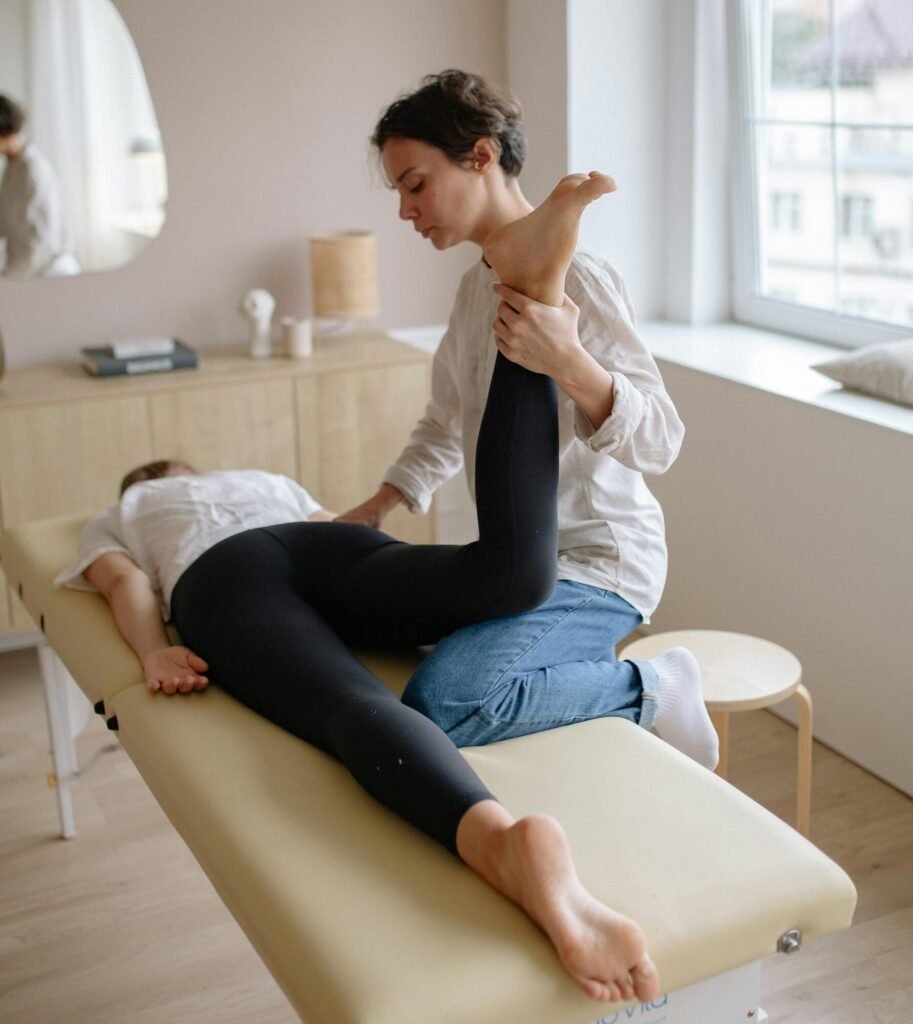
Doctors of Chiropractic, called ‘Chiropractors’ are spine, muscle, joint and nervous system experts. They are trained in how to evaluate, diagnose, recommend and deliver a treatment plan that manages issues within these systems, according to your preferences. Every chiropractor is uniquely qualified to evaluate your condition and identify what’s causing your pain.
(OCA)
If you are unsure whether or not Chiropractic Care is the right option for you, consider booking an assessment. During this appointment your Chiropractor will perform a thorough exam and can then discuss with you if Chiropractic, or maybe another service, would benefit you.


Benefits of Treatment at our Clinic
Clinic Features

OUR VALUES
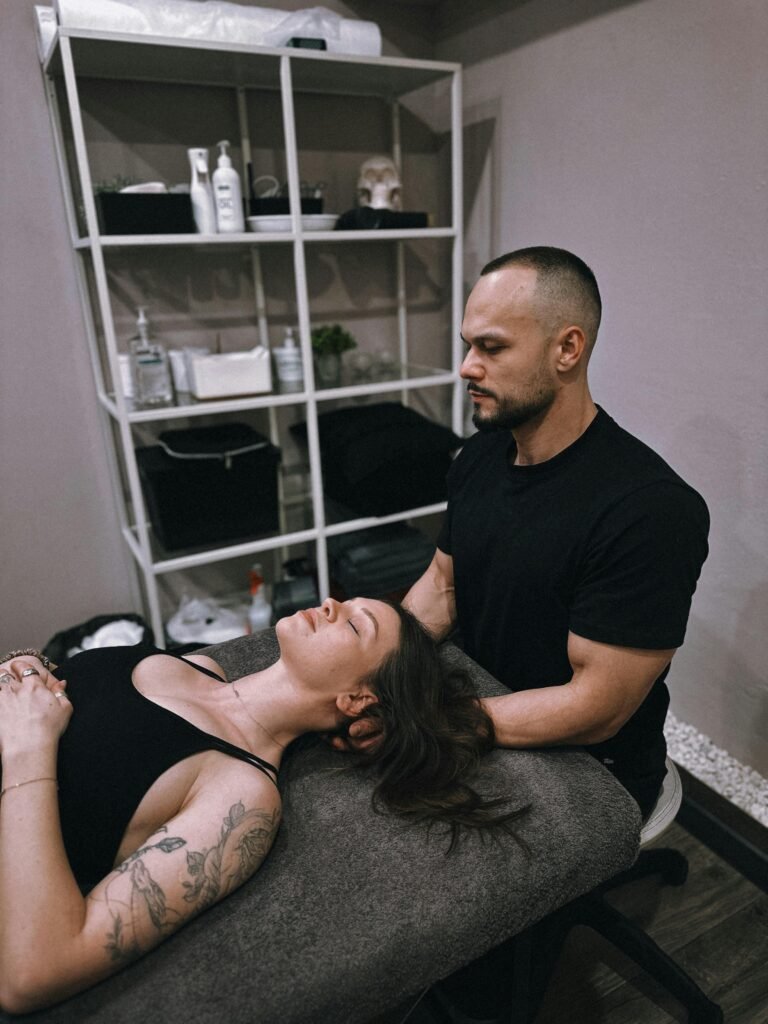
We treat each patient as an individual because we understand that each person is unique. Your treatment plan will be customized according to our clinical advice and your personal preferences.
The Vision
Our vision is optimal overall wellness. Our clinic offers a variety of services to assist with this, including Chiropractic, Physiotherapy, Massage, Osteopathy, Acupuncture, Custom Orthotics, Naturopathic Medicine, Orthopedic Support Braces, Compression Stockings, and more!
Whether you are looking to recover from a recent injury, rehab an older one, or just keep yourself feeling good, we are here to help!
The Mission
Since 2008 we have contributed to the health and wellness of over 6000 patients. We continue to grow and will continue to offer quality care to everyone that attends our clinic.
Our Services
Chiropractic
At the Oshawa Chiropractic & Physiotherapy Wellness Centre, we manually adjust the vertebrae of the spine and the other joints in the body, which help to relieve pain and restore function to the joints and supporting muscles and ligaments.
Massage Therapy
Our main goal is to help alleviate your pain. We offer customized massage sessions designed to meet your specific needs.
Physiotherapy
Our team aims to increase wellness and mobility through hands-on clinical assessment, diagnosis, and treatment for symptoms of illness, injury and disability.

Naturopathic Medicine
Naturopathic medicine uses safe, natural remedies to prevent illness and improve health by addressing the root cause, with personalized care that treats the whole person.
Osteopathy
Manual osteopathy is a holistic treatment targeting the musculoskeletal system—including fascia, bones, and muscles—to support total body health.
Acupuncture
Acupuncture uses sterile needles at specific points to reduce pain and promote healing. Rooted in TCM, this versatile therapy integrates seamlessly with massage and chiropractic care.